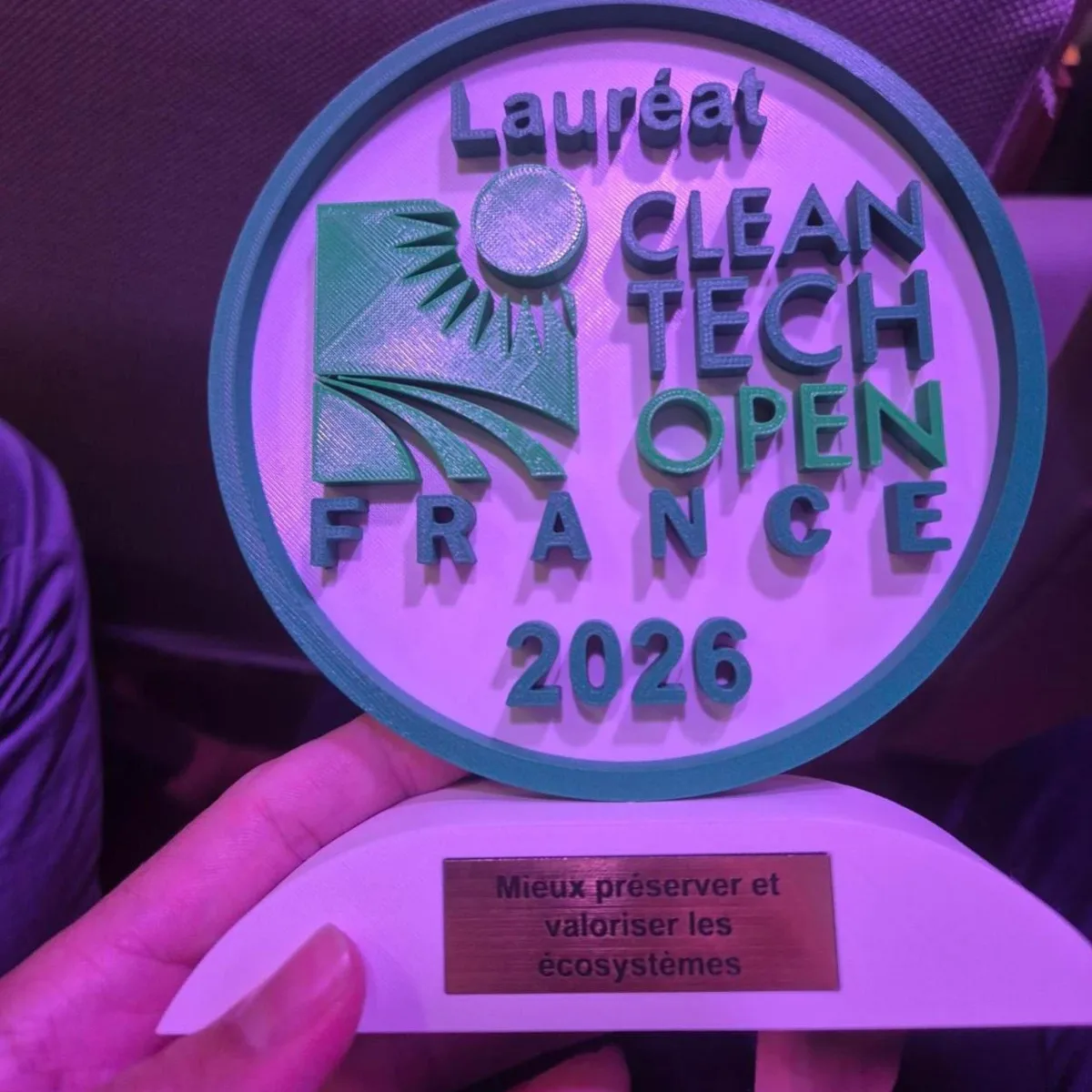
Marine Weather Intelligence has been named winner of the “Better Preserving and Enhancing Our Ecosystems” track at Clean Tech Open France 2026, a recognition of the measurable emission reductions that better ship routing delivers.
Marine Weather Intelligence has been named winner of the “Better Preserving and Enhancing Our Ecosystems” track at Clean Tech Open France 2026. We are delighted by this recognition, which rewards a simple conviction: better ship routing means real, measurable reductions in maritime emissions.
A demanding competition
Every year, Clean Tech Open France supports and rewards innovative companies working for the ecological transition. This edition drew more than 200 applications. In our track, we were one of 5 finalists, all with strong projects that we enjoyed discovering. Making the final was already something to be proud of; winning means even more.
What we presented to the jury
In an 8-minute pitch, Basile Rochut, co-founder and COO of Marine Weather Intelligence, presented our approach: combining the offshore racing experience of Christian Dumard, one of the world’s most renowned weather routers, with artificial intelligence.
Our platforms, MWI Yachts, MWI Shipping and MWI Offshore Energies, monitor vessels 24/7, sending route suggestions and proactive alerts whenever extreme weather is ahead. They run on algorithms developed in-house, which factor in weather uncertainty and correct the biases of forecast models. This work is carried out with research partners including IFREMER, ESA, CNES, Sorbonne University and Université Bretagne Sud.
The results are measurable. By adjusting heading and speed to wind, waves and currents, rather than sailing at constant speed, our clients save on average 10 to 15% fuel per voyage. On a typical voyage to Singapore, that means 10 tonnes of fuel saved and 31 tonnes of CO₂ avoided, for only 46 extra minutes on the ETA.
A contribution to a larger effort
Maritime transport carries 80% of world trade and accounts for nearly 3% of global greenhouse gas emissions. The International Maritime Organization is targeting net zero by 2050: getting there will take new fuels, new ship designs, new regulations, and many complementary solutions working together.
Weather routing is one of them. It is available today, requires no onboard equipment, and makes a difference on every single voyage. Less fuel burned means less CO₂, but also fewer pollutant emissions. And ships better protected from storms mean less damage and fewer containers lost at sea.
We also try to apply this approach to ourselves: completing our first carbon footprint assessment, encouraging remote work, supporting low-carbon commuting at our Auray office, and providing skills sponsorship to projects that matter to us and to environmental protection.
A team award
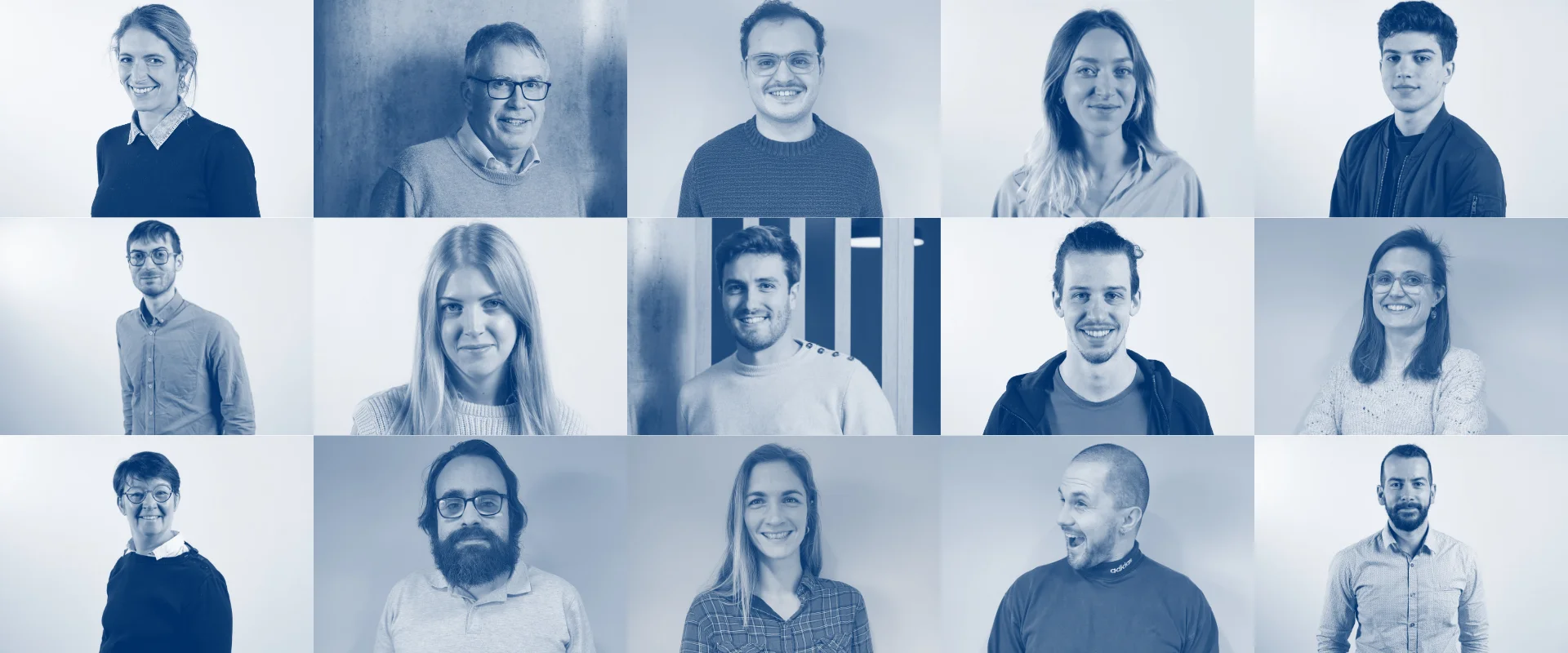
This award belongs to the whole Marine Weather Intelligence team: weather routers, data scientists, developers, and now our sales team too. It also belongs to our clients, who trust us every day, and to our research partners.
Thank you to Clean Tech Open France and its jury for this recognition. We take it as encouragement to keep working, with rigour and ambition, toward safer and more fuel-efficient navigation.